French Modernist Art Deco armchairs by Paul Follot, circa 1928, in paduk and rosewood. There are two pairs available and they may be purchased by the pair or by the set of four. They are priced (per pair) as restored, refinished frames, and work on them has begun. Upholstering quote is available as needed. The chairs are 23” wide x 22” deep x 31” high.
PAUL FOLLOT
Paris-born decorative artist and sculptor PAUL FOLLOT studied at Ecole Normale d'Enseignment du Dessin under Eugene Grasset. In his early graphic design work he was influenced by medieval and Pre-Raphaelite art. In 1901 he joined La Maison Moderne in Paris where he designed bronzes, jewelry and fabric. By 1904 he had become an independent artist. And by 1910 he had begun to seek des architectures calmes ('tranquil architecture') through the use of beautiful and rare materials, refined techniques and harmonious and balanced forms in what would emerge later as the Art Deco style.
His work was first shown at the 1902 Salon of Societe des Artistes Francais and he showed for many years at Societe des Artistes Decorateurs, Nationale des Beaux Arts and Salon d'Automne.
His illustrious career included teaching and theory, and he considered ornamentation an essential element of design and had no interest in the minimalism of Ie style 25. He rejected mass-production art in favor of the aristocratic tradition of luxury.
French Modernist Art Deco armchairs by Paul Follot, circa 1928, in paduk and rosewood. There are two pairs available and they may be purchased by the pair or by the set of four. They are priced (per pair) as restored, refinished frames, and work on them has begun. Upholstering quote is available as needed. The chairs are 23” wide x 22” deep x 31” high.
PAUL FOLLOT
Paris-born decorative artist and sculptor PAUL FOLLOT studied at Ecole Normale d'Enseignment du Dessin under Eugene Grasset. In his early graphic design work he was influenced by medieval and Pre-Raphaelite art. In 1901 he joined La Maison Moderne in Paris where he designed bronzes, jewelry and fabric. By 1904 he had become an independent artist. And by 1910 he had begun to seek des architectures calmes ('tranquil architecture') through the use of beautiful and rare materials, refined techniques and harmonious and balanced forms in what would emerge later as the Art Deco style.
His work was first shown at the 1902 Salon of Societe des Artistes Francais and he showed for many years at Societe des Artistes Decorateurs, Nationale des Beaux Arts and Salon d'Automne.
His illustrious career included teaching and theory, and he considered ornamentation an essential element of design and had no interest in the minimalism of Ie style 25. He rejected mass-production art in favor of the aristocratic tradition of luxury.

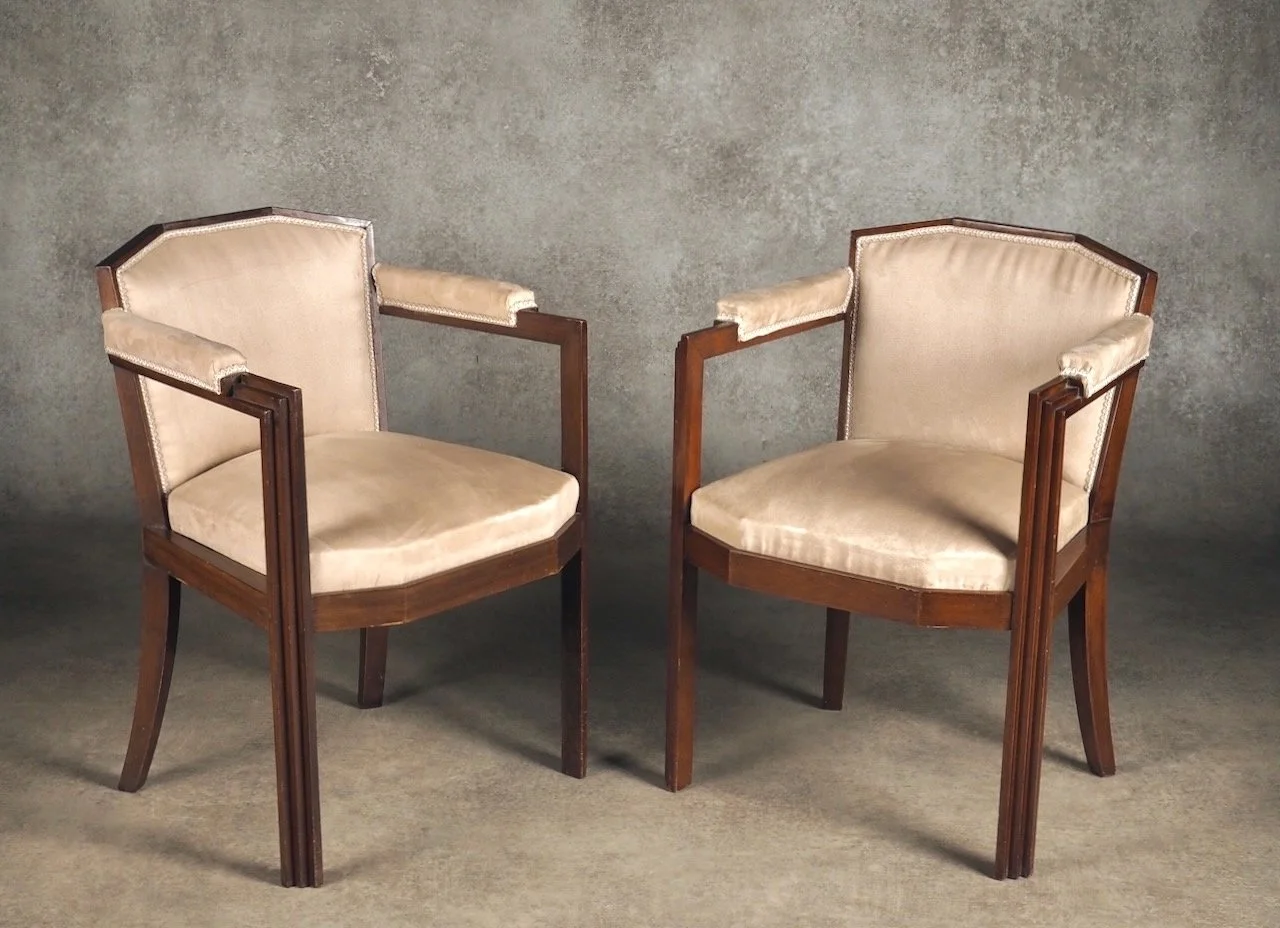 Image 1 of 7
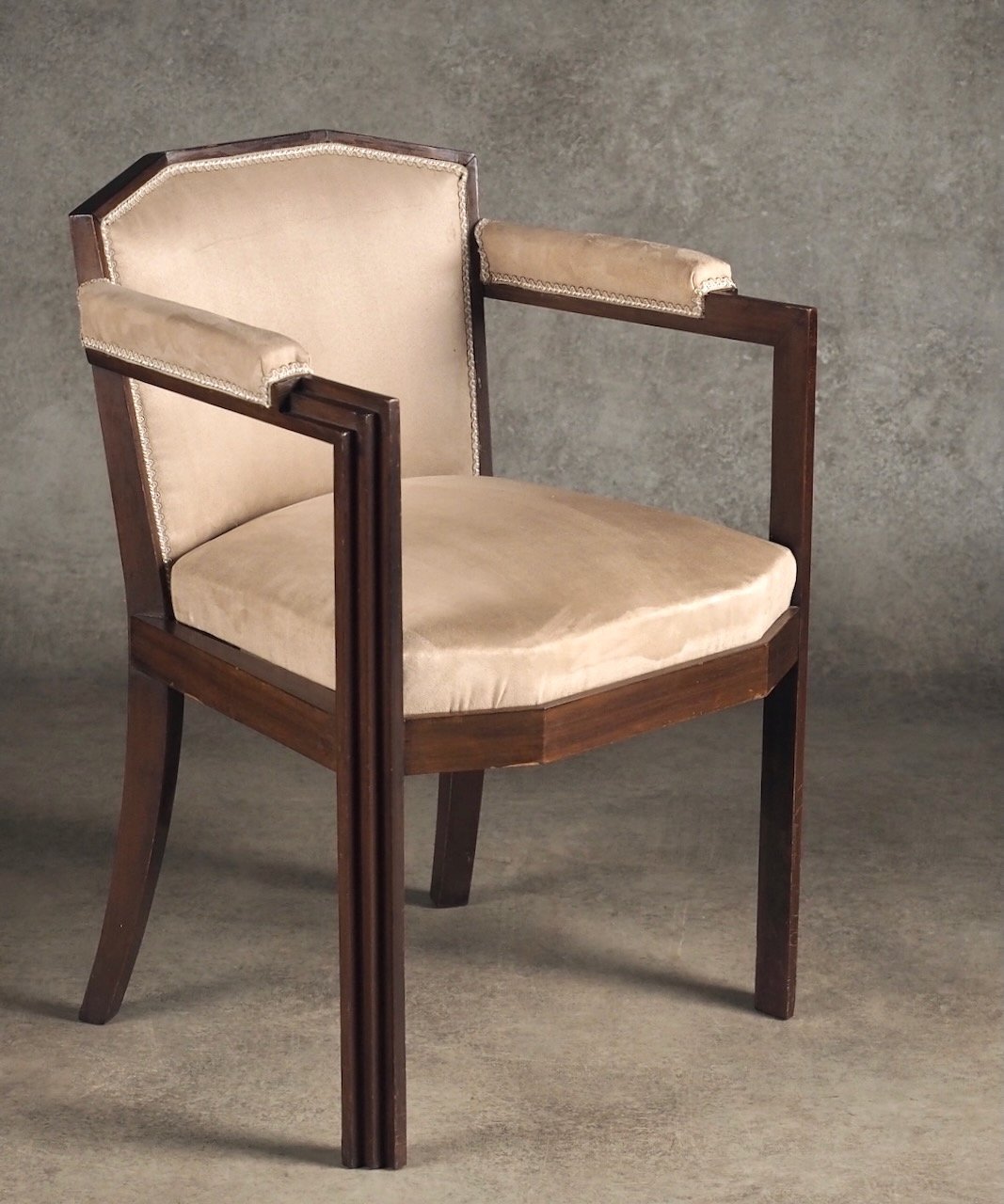 Image 2 of 7
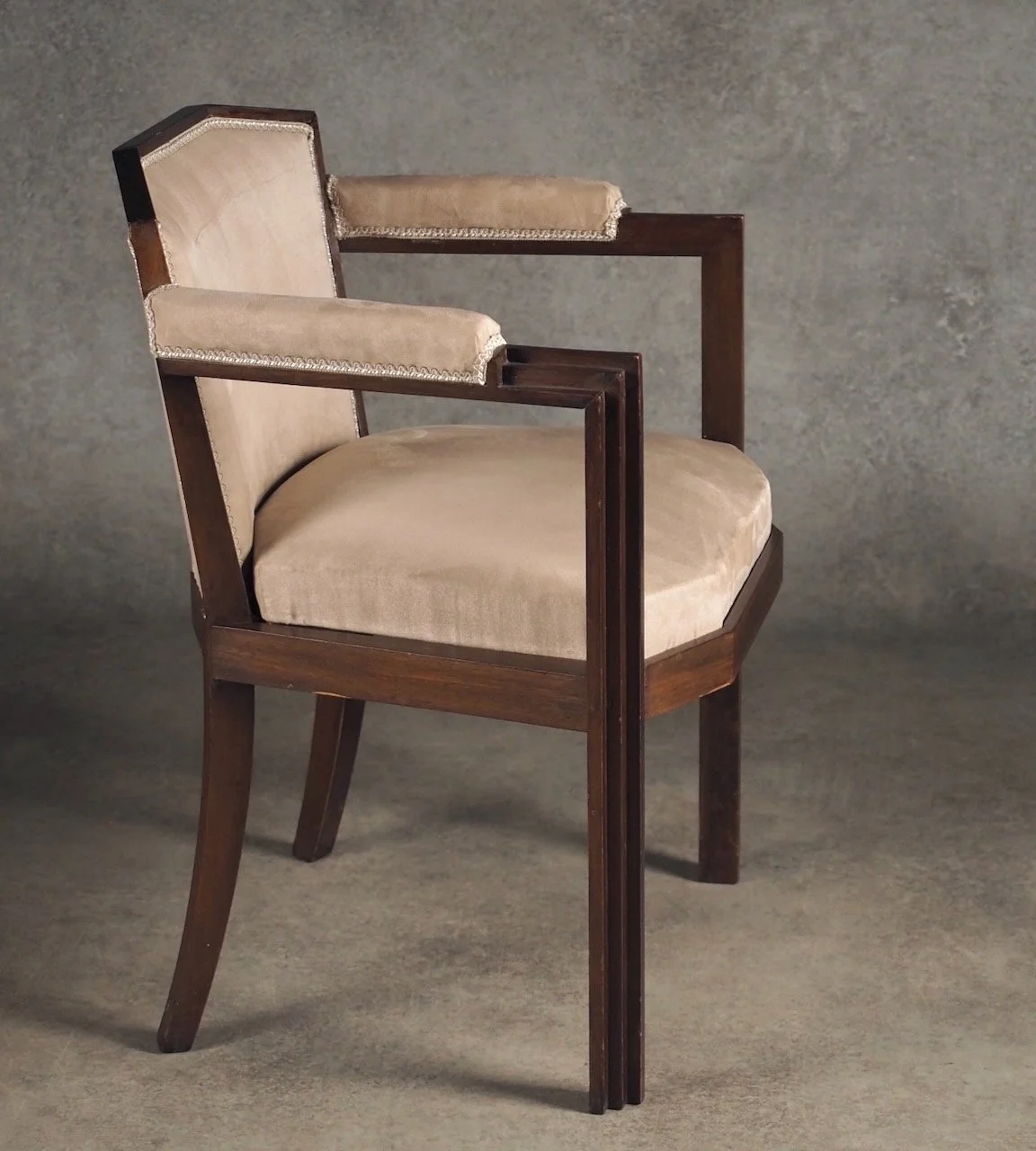 Image 3 of 7
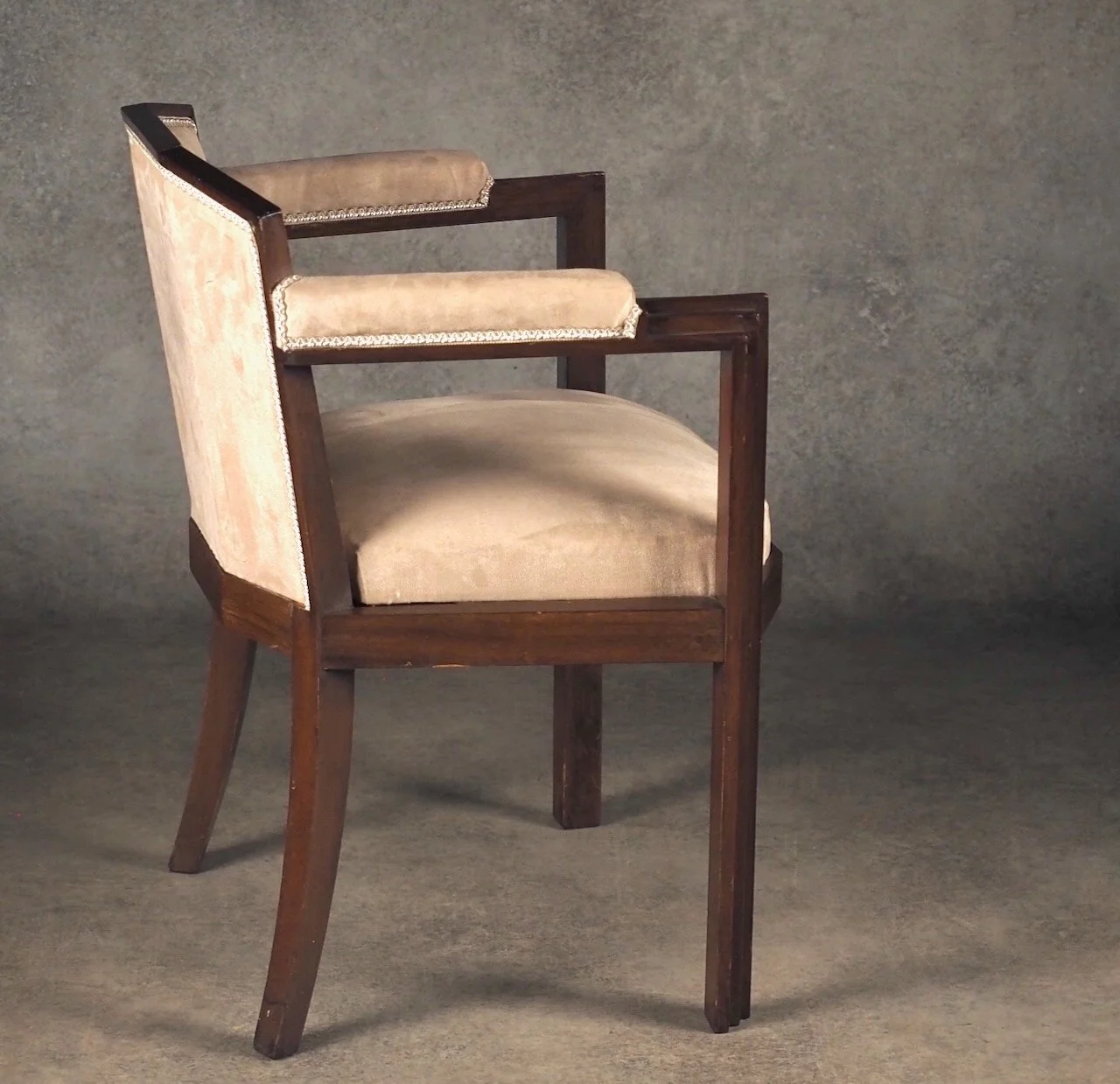 Image 4 of 7
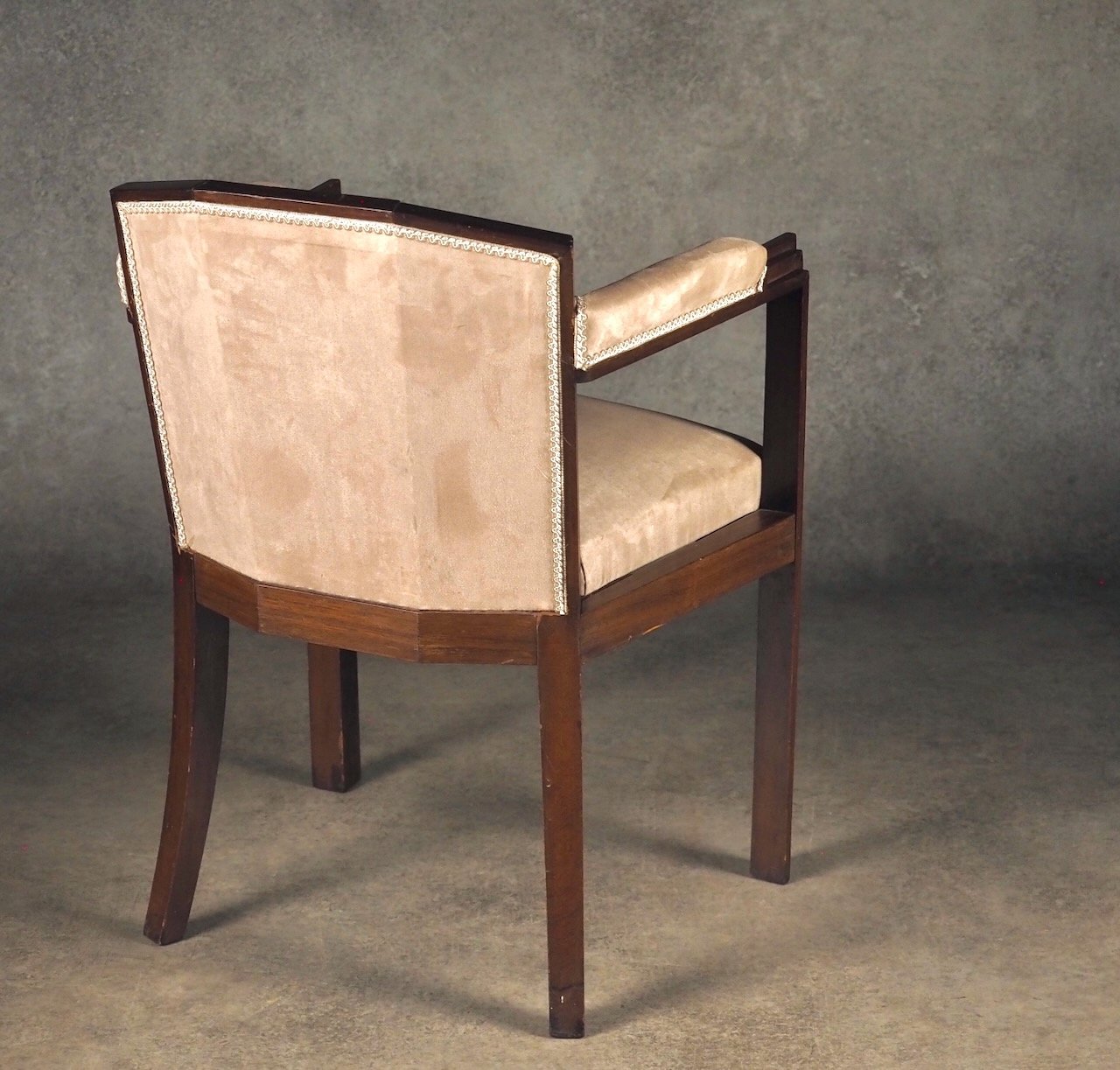 Image 5 of 7
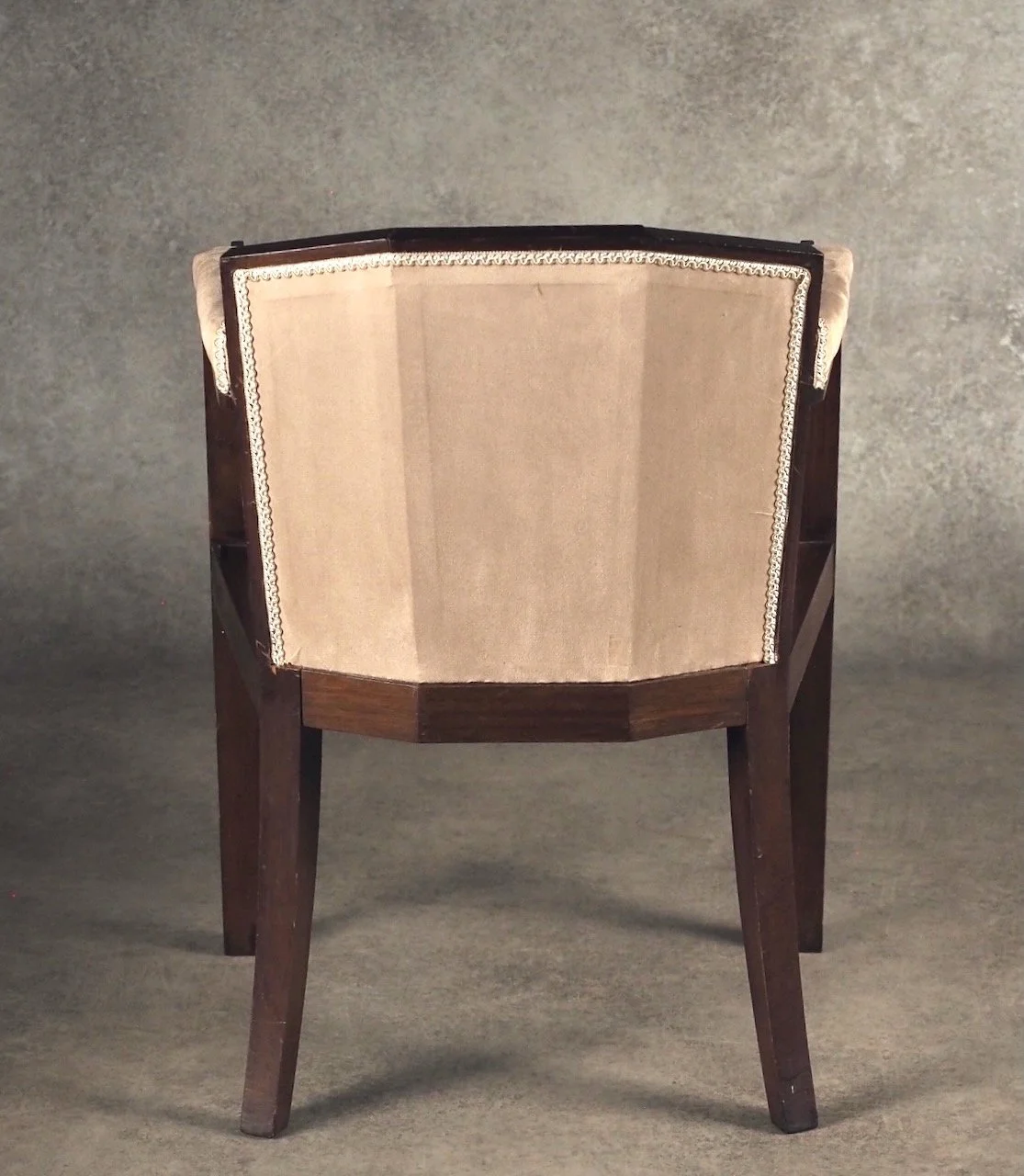 Image 6 of 7
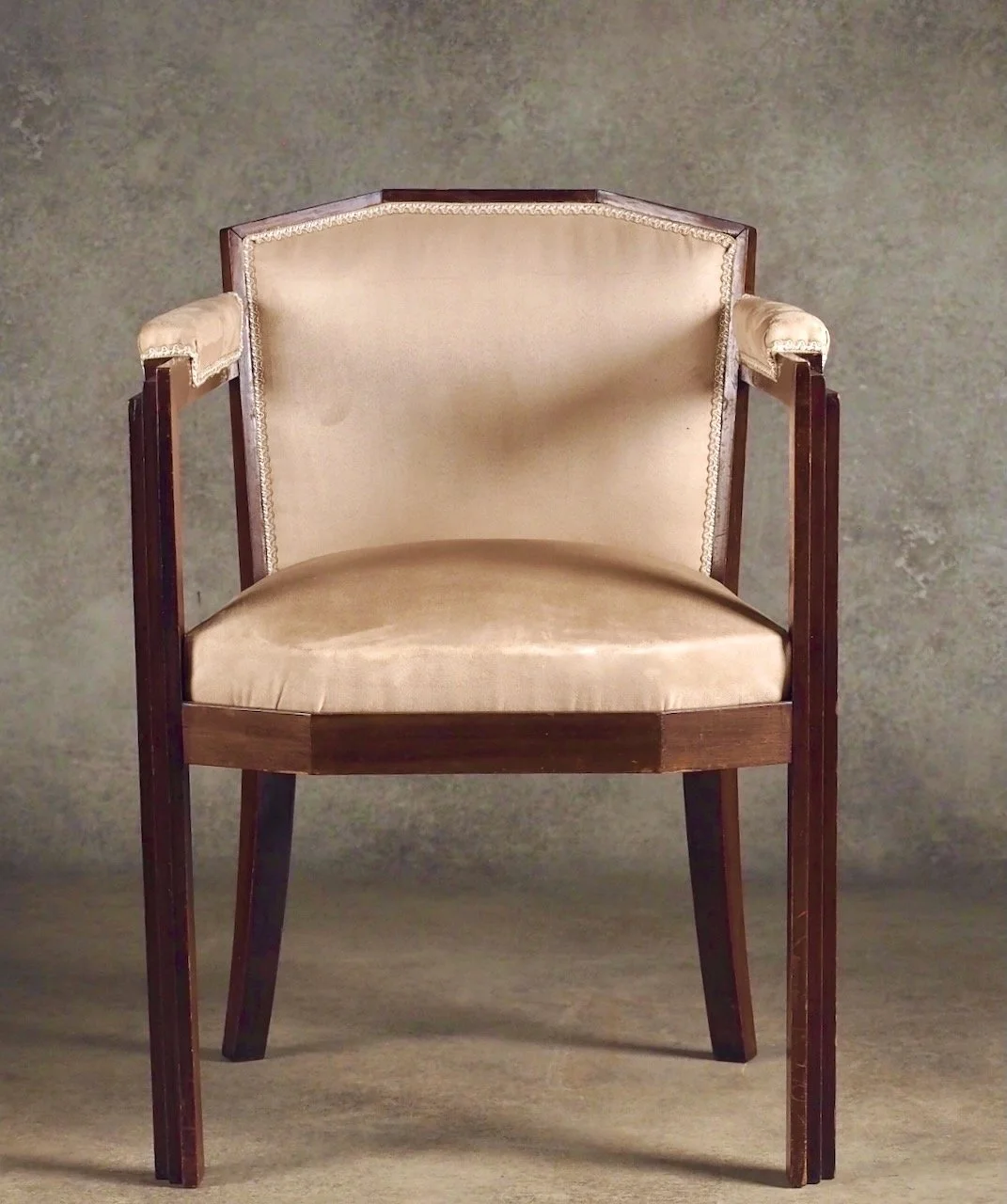 Image 7 of 7